
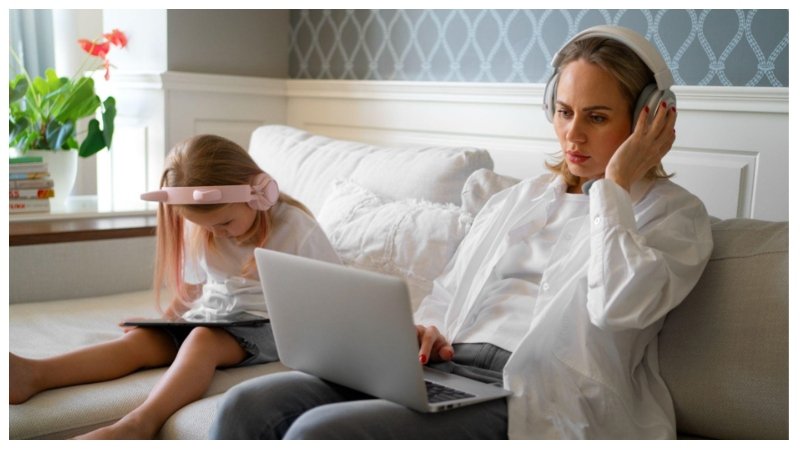
Stress is a common part of modern life, and many people are looking for simple ways to feel calmer and more comfortable each day. This is where comfort technology comes in. From smart sleep tools and massage devices to apps that promote relaxation, technology is helping people manage stress in new and practical ways.
These tools are designed to create a more comfortable environment, support healthy habits, and make it easier to unwind after a busy day. In this article, we’ll explore the role comfort technology plays in stress management and how it can help improve overall well-being.
How Comfort Technology Got Here
Nobody woke up one morning and invented stress relief. It’s been a long, winding road, and honestly, a fascinating one.
From Herbal Teas to AI-Powered Recliners
For centuries, people leaned on warm baths, chamomile tea, and quiet evening walks. Those things still work, by the way. But technology for relaxation has layered something completely different on top of that foundation. Today’s devices don’t just soothe; they measure your body’s response, adapt in real time, and get smarter the longer you use them. That’s a meaningful shift.
Digital Tools Changed the Game
Wearables, adaptive lighting, and AI-driven apps have made stress management more personalized than it’s ever been before. Think about this: over 90% of people who purchased a massage chair for any reason at all reported a positive outcome. That’s not marketing fluff. That’s a signal that consistent use of modern comfort technology genuinely moves the needle.
The Comfort Technologies Actually Making a Difference Right Now
Some tools promise stress relief. Others deliver it. Here’s an honest look at what’s making a real impact.
Massage Chairs and Smart Recliners: The Heavy Hitters
If you’re exploring best full body massage chairs 2026, you’ll quickly discover that today’s top models have moved far beyond the vibrating seat pads your parents kept in the living room. OSIM, for instance, has spent over 46 years engineering chairs that blend AI-guided massage programs, targeted heat therapy, zero-gravity reclining positions, and real-time biometric feedback, all validated by the Professional Chiropractic Association.
These aren’t luxury gimmicks. They actively help regulate your nervous system, pulling cortisol levels down while nudging serotonin upward in measurable, documented ways. That’s physiology, not placebo.
Wearables for Stress You Can’t Always See Coming
Massage chairs are phenomenal for deep recovery at home. But stress doesn’t politely wait until you’re done with your commute. Smart wearables, stress-detecting watches, biofeedback rings, and HRV monitors track your body continuously throughout the day. They notice when you’re spiraling before you do, and deliver gentle breathing cues or movement nudges that function as reliable digital stress relief tools when life gets chaotic. Small interventions. Big cumulative effect.
Smart Lighting and Sound: Your Environment Is Working Against You (or For You)
Here’s something people underestimate: the space you come home to matters enormously. Circadian lighting systems adjust color temperature throughout the day, warmer tones at night, cooler tones in the morning, helping your brain understand when to wind down. Pair that with a smart speaker delivering white noise or binaural beats, and you’ve got an ambient system that’s been scientifically shown to reduce anxiety. These tech solutions for stress aren’t flashy, but they’re consistent. And consistency is everything.
Digital Tools That Are Quietly Redefining Mental Wellness
Not all comfort technology requires a room in your house. Some of the most powerful tools fit inside your pocket.
Mindfulness Apps That Actually Hold Your Attention
Headspace, Calm, and similar platforms have grown well beyond simple meditation timers. They offer breath training, cognitive rebalancing exercises, sleep soundscapes, and gentle reminders to step away from your screen for five minutes.
What’s particularly compelling: a randomized controlled trial with healthcare workers found that just six chair massage sessions produced statistically significant reductions in both depression and stress scores, a result that mirrors what structured digital mindfulness programs consistently show. Short, regular sessions compound over time.
VR Stress Relief Sounds Futuristic, Works Today
If you haven’t tried a VR meditation session, it’s genuinely surprising. Immersive nature environments, such as forests, ocean cliffs, and mountain meadows, combined with guided breathing, produce measurable anxiety reductions within a single session. Clinics are adopting it. Individuals are buying headsets for home use. The line between “technology for relaxation” and therapeutic intervention is blurring fast.
AI Emotional Assistants: Proactive, Not Reactive
What if your phone noticed you were heading toward burnout three days before you crashed? AI mood trackers and conversational health assistants are getting scarily good at pattern recognition. Daily check-ins, personalized coping suggestions, early warning signals—this is the frontier of proactive comfort technology for mental health. Still emerging, but worth watching closely.
Making Comfort Technology Work for You Day-to-Day
Science is validating all of this. But validation only matters if you actually build habits around it.
Build Your Relaxation Space Intentionally
Anchor your space around your most immersive device: a premium massage chair, a VR headset, or whatever fits your life. Layer in warm-toned smart lighting for evenings, an aromatherapy diffuser with lavender or eucalyptus nearby, and ambient sound running softly in the background. No single device does everything. But stacking them? That’s where compounding benefits happen.
Habits Matter More Than Hardware
A beautiful relaxation space means nothing without routine. Set daily reminders through your wearable, cut screen time after 9 p.m., and carve out intentional device-free windows. Even the best tech solutions for stress fade into background noise without consistent, deliberate use. The chair can’t help if you never sit in it.
Bring It Into the Workplace, Too
Progressive companies are already building wellness pods, implementing ambient lighting systems, and scheduling chair massage programs for staff. The ROI is measurable: sharper focus, fewer sick days, better morale. Comfort technology stopped being a personal luxury the moment organizations started tracking its productivity impact.
Quick Answers to Common Questions
What is technology’s real role in stress management?
Used thoughtfully, it’s genuinely powerful. Digital calendars, mindfulness apps, and comfort devices collectively reduce daily friction. Research confirms a largely positive relationship between technology and effective stress management when use is intentional.
Can technology also cause stress?
Absolutely. Information overload, disrupted sleep from screens, constant connectivity—these are real stressors. The goal isn’t more technology. It’s a smarter use of the right technology.
Does comfort technology replace traditional stress relief?
No, and it shouldn’t try to. It complements exercise, quality sleep, and human connection. Together, those create something lasting.
Final Thought
Managing stress in a fast-moving world takes tools that actually fit your life. Comfort technology has earned its place not as a trend, but as a legitimate, science-backed layer of everyday wellness. Whether you start with a massage chair, a mindfulness app, or a simple lighting upgrade, the point is to start.
Small steps, consistent habits, and the right technology can genuinely change how your body and mind handle pressure. You don’t need to overhaul everything overnight. Pick one thing, use it regularly, and build from there.