
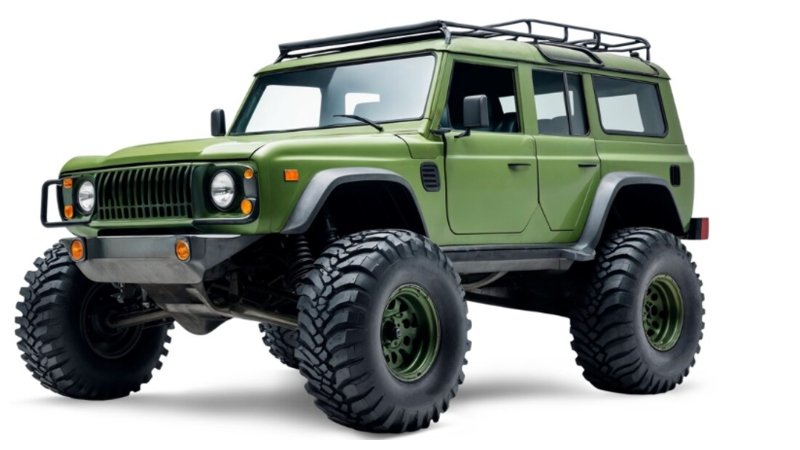
The Land Rover Discovery was built for serious terrain. From the integrated body frame of the LR3 to the air suspension refinements carried over from the LR4 into the LR5, every generation has been engineered to handle conditions that stop lesser vehicles cold.
But extreme off-road capability is only part of the equation. When you are deep in the backcountry, days from the nearest town, carrying the gear you need becomes just as important as reaching your destination. A roof rack transforms the Discovery from a capable off-roader into a properly equipped expedition platform—creating space for recovery gear, shelter systems, lighting, and fuel that an interior alone cannot accommodate.
This article covers the setup ideas and practical considerations that unlock the full potential of the Discovery on extreme adventures.
1. Understanding the Discovery’s Roof Load Foundation
The roof architecture of the Land Rover Discovery is inherently serious load-carrying in all generations. Published specifications for Rhino-Rack’s LR3 and LR4 crossbar setups confirm a maximum carrying capacity of 75 kg, with an off-road safety factor that reduces the usable load to about 50 kg on unsealed terrain. To improve load transfer rigidity, the LR5 has a stiffer unitary body structure than the LR3 and LR4, which have an integrated body frame design.
A quality Land Rover Discovery roof rack makes use of that structural capacity with a full aluminum platform that offers a stable foundation for the wide range of accessories an extreme off-road setup demands.
2. Choosing a Modular Platform System
The best-performing configurations treat the roof rack as a modular system rather than a fixed cargo shelf. A full-length aluminum platform designed specifically for the LR3 and LR4 applications, with a 1255 mm wide tray and integrated T-slot rails along the top and bottom edges that accept standard 8 mm bolts for accessory attachment.
That mounting system eliminates the need for additional hardware between the rack and accessories, and allows the configuration to change between trips as gear requirements change. A leading-edge wind deflector controls the flow and reduces the aerodynamic penalty imposed by a loaded platform on highway sections.
3. Rooftop Tent Setup for Remote Shelter
A rooftop tent is the cornerstone of any serious overland setup. It attaches to the rack platform, turning the Discovery into a stand-alone shelter system that requires no campsite infrastructure. Purpose-built rack systems for the LR3 and LR4 have static load ratings of up to 660 lbs — more than enough weight to support a fully loaded tent and its occupants. Static vs Dynamic Ratings: The distinction between static and dynamic ratings is crucial to be aware of.
The National Academies Press, using NHTSA rollover data, says that as soon as you put a load on the roof, it is above the vehicle’s center of gravity and will contribute to a rollover, which is why it is just as important to stay within the manufacturer’s rated dynamic limits while you are moving as it is to stay within the static capacity at camp.
4. Roof-Mounted Lighting for Night Driving on Technical Trails
Lighting is one of the most functionally important additions to any extreme off-road build. A lightbar or dual driving lights mounted to the front of the roof rack platform sit at the highest possible point on the vehicle, maximizing the spread and reach of the beam pattern across trail surfaces.
At roof height on a Discovery, a lightbar projects a path that clears obstacles at bumper level entirely, illuminating terrain well ahead of the vehicle during night driving on technical tracks.
Electrical routing from a roof-mounted lightbar runs cleanly through the door jamb or pillar cavity, making for a professional installation without visible cabling.
5. Fuel and Spare Tire Carrying for Extended Range
Jerry can mounts attach to the rear or side rails and turn the roof platform into an extended fuel solution. On remote expeditions, fuel stations may be hundreds of kilometers apart. Carrying 40 to 80 liters of extra fuel increases the range needed for wilderness travel.
Purpose-built holders keep the cans secure during off-road driving. They prevent movement that could stress the mounting points. A spare tire carrier mounted at the rear of the rack keeps a full-size spare accessible. It also saves interior space and avoids extra weight on the tailgate.
5. Weight Distribution and Load Safety on Extreme Terrain
Loading strategy on extreme terrain requires deliberate planning. Roof-mounted weight raises the vehicle’s center of gravity, which directly affects the rollover threshold. Hence, place lighter, bulkier items at roof level—sleeping gear, awning components, and recovery boards — and keep dense loads such as water containers and toolboxes low inside the vehicle.
Distributing weight evenly side to side maintains a consistent steering response, and rack manufacturers specify a reduced off-road carrying limit, typically around one-third lower than the on-road rating.
6. Awning Integration for Camp and Field Operations
An awning attached to the platform’s side rail deploys in under 60 seconds. It creates approximately six to eight square metres of covered space beside the vehicle. During multi-day expeditions, the awning serves as a cooking area, gear staging zone, and shade shelter on exposed terrain. Vehicle-specific awning brackets for the Discovery mount directly to the rack’s rail system, so no aftermarket adaptation hardware is required. When not in use, the entire assembly packs down flat for compact storage.