
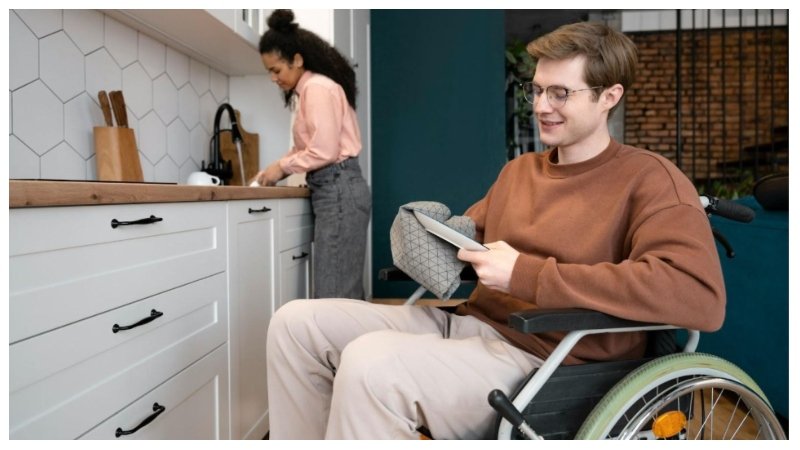
Supporting a family member through a disability is a journey that requires a good bit of heart, a fair dose of patience, and a solid understanding of how to provide the right kind of help. Rather than just doing things for them, caring for a family member should empower them. This approach ensures your loved one feels in control of their life, which is good for their mental health.
When we talk about care, we’re really talking about being a supportive partner in their daily routine. A big part of this process involves managing what we call ADL disability needs. This refers to the hurdles someone faces when trying to navigate through basic activities of daily living on their own. We’re talking about the standard tasks most of us do on autopilot, like hopping out of bed, having a wash, or putting together a healthy lunch. When a disability makes these movements challenging, the right support can effectively fill that gap.
Putting Choice at the Centre of Care
When someone needs a hand with daily tasks, they should still be the one calling the shots. Best practice always starts with a simple chat about what they prefer. Do they like to shower first thing in the morning or just before bed? Would they rather wear their favorite jumper even if the zip is a bit fiddly? These might seem like small details, but they’re the exact things that make a person feel like themselves.
Providing support with genuine compassion means you’re listening more than you’re acting. Offer a hand when it’s needed, but step back when they want to accomplish the task themselves. This balance maintains the individual’s independence.
Why Communication is Everything
Effective communication makes support work. Keeping an upbeat tone can turn a functional task into a pleasant social interaction. A small amount of encouragement can significantly impact a struggle. You might say something like, ‘You’re doing a great job with that’ or ‘No stress, let’s take our time.’
Non-verbal cues are just as vital. A reassuring smile or a calm presence can settle the nerves during more sensitive tasks like personal grooming. By keeping the atmosphere light and respectful, you take the pressure out of the situation. It creates a safe space where they feel comfortable saying what they need without feeling like they’re an inconvenience.
Practical Tips for Daily Assistance
When you’re helping with physical tasks, safety and comfort are the two things that matter most. Please ensure the environment is prepared before beginning. For example, if you’re helping with a meal, have all the utensils and ingredients ready on the bench. This makes the whole process smoother and much less tiring for everyone.
Hygiene and grooming should always be handled with the highest level of respect. Make sure the room is warm, and they have plenty of privacy. It often helps to explain what you’re doing before you do it, so there are no surprises. Over time, these habits become second nature, and the focus shifts from the task itself to the quality time you’re spending together.
Supporting Nutritional Needs
Eating well is important, but a disability can sometimes make the kitchen feel like a bit of a hurdle. Best practice involves making nutrition both accessible and a bit of fun. You might spend a Sunday afternoon doing some light meal prep together, which is a wonderful way to catch up while getting ahead for the week.
If coordination poses a challenge, small adjustments can significantly improve the situation. Using bowls instead of flat plates can stop spills, and using straws can make drinking much easier. The goal is to make sure mealtime stays a highlight of the day rather than a source of frustration.
Keeping the Mind and Spirit Active
Encouraging hobbies and social outings is a key part of disability support. Whether it’s a brief visit to the local park to observe the birds or a regular card game, these activities stimulate the brain.
Sharing stories and laughter can truly be the most effective remedy. If they seem a bit down, a change of scenery or a visit from a mate can often lift their spirits. Remember, look at the whole person and make sure all their needs are being met with a positive, forward-looking attitude.
A Safe and Positive Home Environment
The home should be a sanctuary, not a series of obstacles to navigate. Making sure the living space is easy to move through is essential for anyone with a disability. This might mean clearing wide pathways through the lounge room or making sure the lighting is nice and bright so they can see where they’re going. A well-organized home reduces the risk of accidents and makes it much easier to provide support.
Checking the home for any potential trip hazards or tricky spots allows you to fix them before they become an actual issue. When the environment is supportive, it takes the pressure off both the individual and the family, allowing everyone to relax.
Looking After Yourself is Nonnegotiable
It’s worth remembering that you can’t pour from an empty cup. Supporting others is rewarding, but it can be draining if you don’t care for yourself. Regularly taking breaks and seeking professional assistance when necessary is a wise decision. It ensures you have the energy and patience to provide the best care when you’re with your loved one.
Caring with compassion is a partnership. Focus on best practices like clear communication, respecting their choices, and keeping a positive energy so you can make a real difference.