
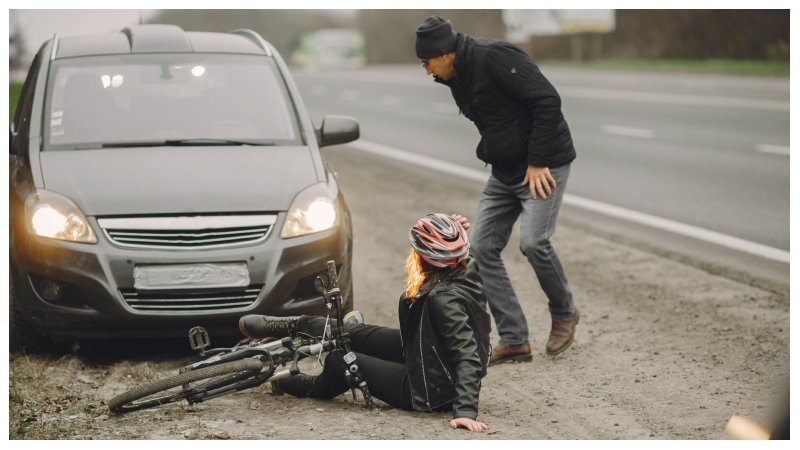
Car accidents are often described by where the vehicles were hit: rear-end, head-on, side-impact, rollover, or multi-car collisions. Those labels may sound simple, but they can cause collisions. lot about how crash forces moved through the body.
The way a collision happens can help explain why certain injuries appear afterward. Doctors, lawyers, and insurance companies often look closely at the crash pattern because it can help connect the injury to the force of the impact.
The Crash Pattern Tells a Physical Story
Every collision creates force. The direction, speed, angle, and point of impact can all affect how the body moves inside the vehicle.
A person’s injuries may make more sense when viewed alongside the crash pattern. For example, a rear-end collision often moves the head and neck differently than a side-impact crash, while a rollover may create several impacts in one event.
Rear-End Crashes and Neck Injuries
Rear-end crashes commonly cause the body to move forward while the head and neck snap backward and then forward. This motion can strain muscles, ligaments, discs, and joints in the neck and upper back.
Whiplash is one of the most common injuries associated with rear-end collisions. Symptoms may include neck pain, stiffness, headaches, shoulder discomfort, dizziness, or limited range of motion that may not appear until hours or days later.
Head-On Collisions and Severe Trauma
Head-on crashes can be especially dangerous because both vehicles may be moving toward each other before impact. The combined force can cause serious trauma even when seat belts and airbags work properly.
Injuries may include broken bones, chest injuries, abdominal trauma, head injuries, spinal injuries, or internal bleeding. These crashes often require careful medical evaluation because some serious injuries may not be obvious immediately.
Side-Impact Crashes and Uneven Force
Side-impact crashes, sometimes called T-bone collisions, often happen at intersections. The side of a vehicle offers less space between the occupant and the point of impact, which can make these crashes especially dangerous.
Injuries may affect one side of the body more than the other. A person may suffer shoulder injuries, rib fractures, hip trauma, pelvic injuries, head impact injuries, or damage caused by striking the door, window, or interior frame.
Rollover Crashes and Multiple Injury Points
A rollover crash can expose occupants to several impacts as the vehicle turns over. The body may be thrown against the seat belt, roof, window, door, or interior surfaces.
These crashes can cause head injuries, spinal trauma, crush injuries, fractures, and severe cuts. If a person is partially or fully ejected, the injuries can become even more serious.
Low-Speed Collisions Can Still Cause Harm
A crash does not have to look dramatic to cause injury. Even a lower-speed collision can harm the neck, back, joints, or soft tissue, especially if the person was not braced for impact.
Insurance companies sometimes argue that minor vehicle damage means no serious injury occurred. However, vehicle damage does not always show how force affected the human body, especially when pain develops later.
Multi-Vehicle Pileups and Complex Injury Patterns
Multi-vehicle crashes can involve more than one impact. A person may be hit from behind, pushed into another vehicle, struck from the side, or exposed to repeated force in a short time.
These layered impacts can create complicated injury patterns. Learning about different types of car accidents can help explain why doctors and investigators may need to understand the sequence of collisions before identifying which impact caused or worsened specific injuries.
Seat Belts and Airbags Leave Clues Too
Seat belts and airbags save lives, but they can also leave injury patterns. A seat belt may cause bruising across the chest or abdomen, while an airbag may cause facial injuries, burns, wrist injuries, or chest soreness.
These injuries do not mean the safety devices failed. Instead, they may show how severe the crash forces were and how the body was restrained during impact.
Dashboard, Steering Wheel, and Door Impacts
Interior vehicle contact can reveal important details. Knee injuries may come from striking the dashboard, chest injuries may involve the steering wheel, and head injuries may result from hitting a window or side pillar.
These impact points can help connect the injury to the crash. They may also support the injured person’s account of body position, direction of force, and severity of movement during the collision.
Why Symptoms May Appear Later
Some injuries are delayed because adrenaline and shock can mask pain immediately after a crash. Soft tissue injuries, concussions, back injuries, and nerve symptoms may become more noticeable after the body calms down.
Delayed symptoms should still be taken seriously. Seeking medical care early helps create a record that connects the symptoms to the collision and reduces the chance that an insurer will argue the injury came from something else.
How Crash Patterns Help Doctors
Doctors often ask how the crash happened because the answer can guide evaluation. A side-impact crash may raise concerns about ribs or hips, while a rear-end collision may lead to closer attention to the neck and spine.
The crash pattern does not replace medical testing, but it gives context. It can help doctors decide what symptoms to watch for, what imaging may be needed, and what treatment plan makes sense.
How Crash Patterns Help Injury Claims
In a car accident claim, the injury must be connected to the crash. The more clearly the crash pattern matches the injury pattern, the stronger that connection may become.
Photos, repair estimates, medical records, police reports, and witness statements can all help show how the collision occurred. Together, they may explain why a particular injury resulted from that specific crash.
When the Insurance Company Questions the Injury
Insurance companies may argue that an injury is unrelated, exaggerated, or caused by a prior condition. They may also claim the crash was too minor to cause the symptoms being reported.
Crash pattern evidence can help challenge those arguments. When the direction and force of impact are consistent with the medical findings, it becomes harder to dismiss the injury as unrelated.
Reading the Collision Beyond the Damage
Car accident patterns can reveal more than where a vehicle was hit. They can help explain how the body moved, why certain injuries developed, and what medical problems may need closer attention.
A strong injury claim looks at both the crash and the person affected by it. By connecting the collision pattern to the injuries, victims can better show the full impact of what happened.