
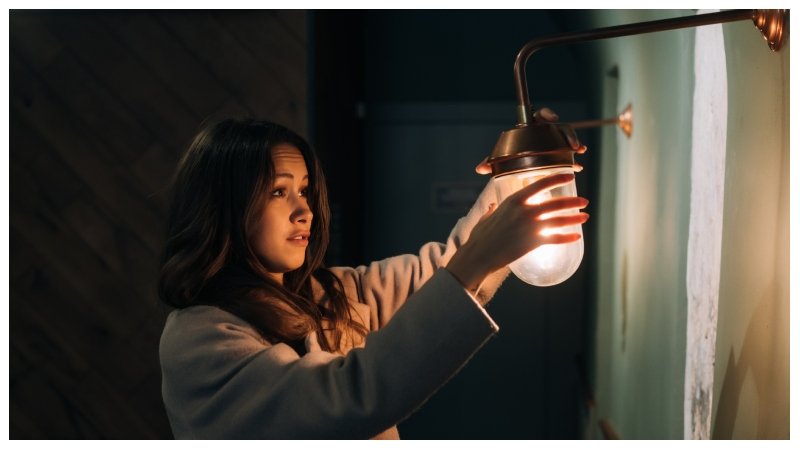
Good lighting is the heartbeat of a great home design. It influences the mood and practicality of each room. Choosing lighting that is timeless and stylish takes true talent and a sense of balance. Quality fixtures that are not affected by passing trends lead to lighting choices that create a lasting, elegant atmosphere.
Many homeowners seek inspiration from established industry leaders to find high-quality pieces that stand the test of time. These providers, such as Visual Comfort designer lighting, offer a variety of classic shapes and premium finishes. This guide explores the essential steps to identify and integrate permanent illumination solutions into any living space.
Select Durable Materials and Finishes
When it comes to finding a material for the home, the very first thing that comes to mind is whether it is durable or not. In this case, the material of light plays a great role. Check if the material used in the fixture is durable or not.
Sometimes, cheap alternatives can cost you much more than you think. They require replacement very quickly. Which in turn cost high in comparison to the good-quality materials. Search for providers, such as Visual Comfort designer lighting, that focus on craftsmanship and material integrity.
Evaluate the Impact of Scale and Proportion
The size selection of fixtures is important. Choose the light according to the space size because light with a low beam cannot cover a big hall. Placing a heavy chandelier in a small hall feels out of place. Similarly, a small lamp can be ignored in a big dining space.
To make the home filled with reliable lighting, make sure that the dimensions of the space are measured. The right balance of light makes the space more elegant and adds stability to the room, as compared to using smaller and trendy fixtures.
Use a Layered Approach for Depth
One source of light in a large area is not enough. That space needs layered light. Layered lights can spread the brightness all over the area equally. Typically, there are 4 different types of layered light one can install—
- Ambient Lighting: This light is also called the first layer of light. It is situated in the center of the ceiling to provide a soft beam of brightness all over the room.
- Task Lighting: These are focused lights or lamps. Task lamps are mainly for the study table, kitchen counters, or working desk.
- Accent Lighting: These are specially designed to focus on the artwork, sculptures, or unique architecture. These are used to provide details and add drama with focus.
- Decorative Lighting: The most exciting part of layered lights is decorative lights. These are mainly used for beautification.
Prioritize Classic Silhouettes Over Trends
Steer away from the trends with a short shelf life that flood social media feeds for one season only. Timeless designs typically include clean lines and geometric shapes, which have been in fashion for decades. Simple globes, lanterns, and tapered cones provide a sense of familiarity and comfort that more experimental shapes often do not. These pure styles fit perfectly with both contemporary and traditional homes without looking at all out of place.
Integrate Modern Technology with Traditional Forms
Modernity, efficiency, and control do not need to be renounced for timelessness. Smart dimmers and better-quality LED bulbs let old designs work with the precision of today. Using bulbs with a warm color temperature imitates the inviting glow of classic incandescent lights and saves energy. The technological details are kept within the fixture to not compromise its classic look and improve the day-to-day usage.
Align Illumination with Room Functionality
Different rooms in a home call for unique strategies to make sure the light is serving the people inside. Kitchens need bright, clear light for safety and precision while preparing food. By contrast, bedrooms need soft, indirect forms of light that stimulate the senses and allow for cocooning. Understanding the primary purpose of a room prior to selecting a fixture helps mitigate the common mistake of prioritizing style over utility.
Establish a Cohesive Visual Narrative
An effective home design utilizes a consistent theme, tying each room together through understated visual details. It doesn’t mean every fixture has to be identical, but they need the same language. Creating a sense of harmony by employing the same finish or similar design motif in different rooms, such as the hallway.
When the lighting plan follows a logical progression, it reinforces the architectural story of the house. This approach allows the homeowner to mix different types of fixtures while maintaining a professional and polished appearance. A thoughtful narrative in design ensures that the illumination feels like a permanent part of the structure. High-quality lighting remains a foundational element that defines the character and warmth of a home for many years.