
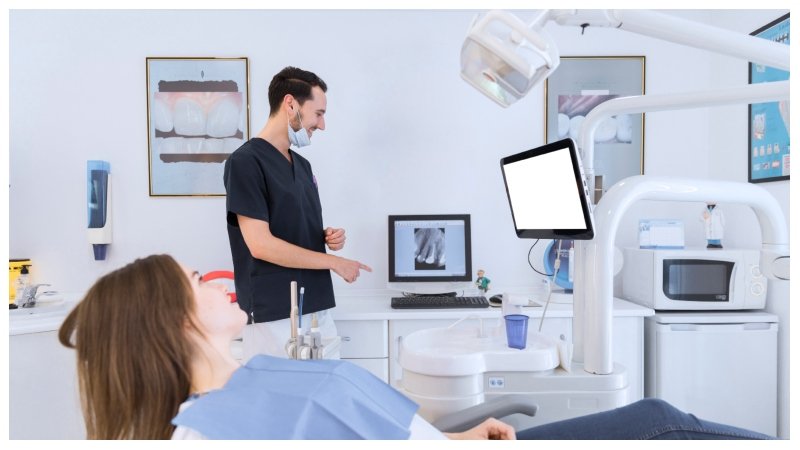
Modern dental care has shifted far beyond traditional tools and manual techniques, with technology now playing a central role in how care is delivered and experienced. Dental offices increasingly rely on digital systems, imaging tools, and precision equipment to improve diagnosis, treatment planning, and patient comfort. These advancements help reduce uncertainty during procedures while making visits more predictable and less stressful for patients. From routine checkups to complex restorative work, technology has changed how dental teams approach oral health care.
Patients benefit from faster processes, clearer communication, and improved outcomes that feel more tailored to individual needs. As these innovations continue to evolve, dental care becomes more efficient and comfortable, shaping a new standard for everyday oral health services.
Modern Tools in Dental Care
Digital Imaging and Diagnostic Clarity
Dental practices today rely heavily on digital imaging systems to capture detailed views of teeth, gums, and surrounding structures. Unlike older film-based methods, digital X-rays and 3D scans provide instant results and far greater clarity, allowing dental teams to identify concerns such as decay, bone loss, or misalignment at earlier stages. This level of precision reduces guesswork and supports more accurate treatment planning. Patients also experience less discomfort since digital imaging typically requires less exposure time and fewer retakes.
The ability to zoom, adjust contrast, and store images electronically improves communication between dental teams and patients, making it easier to explain conditions and recommended care. In many cases, imaging tools are integrated into broader systems that track oral health over time, helping monitor subtle changes that might otherwise go unnoticed during routine visits.
Precision Dentistry Through Digital Systems
Advanced digital tools have also transformed how treatments are performed, particularly in restorative and cosmetic procedures. Computer-aided design and manufacturing systems allow dental teams to create highly accurate crowns, bridges, and aligners that match a patient’s unique dental structure. This level of customization reduces the need for repeated adjustments and improves long-term comfort. Many clinics, including Abbotsford Dental Offices, incorporate these systems to streamline procedures and enhance treatment outcomes for patients requiring restorative work. Digital impressions replace traditional molds, which were often uncomfortable and prone to distortion, ensuring a more precise fit for dental restorations. These improvements not only increase efficiency but also reduce chair time, allowing patients to complete treatments in fewer visits. As a result, care becomes more predictable and tailored, with outcomes that align closely with both functional and aesthetic needs.
Comfort-Focused Innovations in Patient Care
Comfort has become a major focus in modern dental environments, with technology playing a key role in reducing anxiety and physical discomfort. Tools such as laser dentistry systems allow for minimally invasive procedures that often require less anesthesia and promote faster healing. Additionally, electronic anesthesia delivery systems help control pain more precisely by regulating dosage and pressure during administration. These technologies are especially beneficial for patients who may have previously avoided dental visits due to fear or sensitivity. Dental chairs and treatment rooms are also designed with ergonomic improvements that support relaxation during longer procedures.
Sound-reducing equipment and improved lighting systems contribute to a calmer environment, making visits feel less clinical and more patient-centered. Together, these advancements help create a setting where comfort is prioritized alongside clinical accuracy, encouraging more consistent attendance at oral health care.
Artificial Intelligence in Treatment Planning
Artificial intelligence has begun to play an increasing role in how dental professionals assess conditions and develop treatment strategies. AI-driven software can analyze imaging data to detect early signs of cavities, gum disease, or structural irregularities with a high level of consistency. This assists dental teams in making informed decisions while reducing the likelihood of overlooked issues. Predictive modeling tools also help estimate treatment outcomes, allowing patients to better understand potential results before procedures begin. By integrating large datasets, AI systems can compare cases and suggest possible approaches based on similar conditions.
This does not replace clinical judgment but rather supports it by offering additional insights. The use of AI contributes to more efficient workflows and helps ensure that care plans are both accurate and well-structured, improving overall treatment reliability.
Improved Patient Communication and Engagement
Technology has significantly enhanced how dental teams communicate with patients before, during, and after appointments. Digital platforms now allow patients to access their records, view treatment plans, and receive reminders through secure systems. Visual tools such as 3D models and digital simulations make it easier to understand procedures, reducing uncertainty and improving decision-making. This transparency helps build trust and encourages patients to take a more active role in their oral health.
Communication tools also enable faster follow-ups, allowing dental teams to address concerns without additional in-person visits. Educational content can be shared digitally, helping patients maintain better oral hygiene practices at home. As a result, engagement becomes continuous rather than limited to appointments, strengthening the relationship between patients and dental care providers.
Streamlined Sterilization and Safety Systems
Behind the scenes, technology also plays an important role in maintaining hygiene and safety standards in dental offices. Automated sterilization systems ensure that instruments are cleaned and disinfected with consistent precision, reducing the risk of contamination. Digital tracking systems help monitor equipment usage and sterilization cycles, ensuring compliance with safety protocols. Air purification systems and advanced ventilation technologies further enhance the clinical environment by reducing airborne particles.
These improvements not only protect patients but also help dental teams maintain a safe workspace. By integrating automated monitoring and reporting tools, dental offices can quickly identify and address any issues related to equipment or cleanliness. This structured approach to safety reinforces patient confidence while supporting consistent, high-quality care delivery.
Technology has reshaped modern dentistry by improving both accuracy and comfort across nearly every aspect of care. From advanced imaging systems to artificial intelligence and digital treatment planning, dental offices now operate with a level of precision previously impossible. These innovations reduce discomfort, shorten treatment times, and enhance communication between patients and dental teams. As safety systems and diagnostic tools continue to advance, dental care becomes more efficient and predictable, supporting better long-term oral health outcomes. Patients benefit from a more comfortable and informed experience, while providers gain tools that enhance accuracy and consistency. This combination continues to define a new standard in dental care, where technology and patient well-being work together seamlessly.