
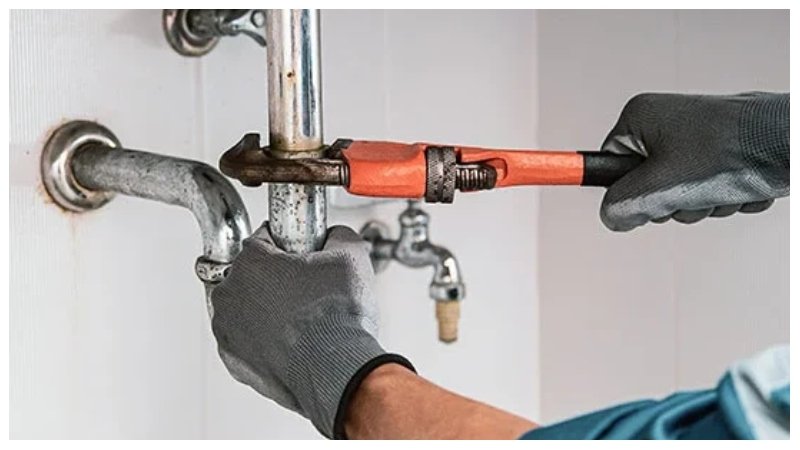
It’s so dangerous when something goes wrong.
When homeowners think about property damage, storms, fires, and floods often come to mind first. But one of the most persistent and costly threats to any property is far quieter: hidden plumbing problems. A slow drip inside a wall, a hairline crack in a pipe, or a tiny root intrusion in an underground line can go unnoticed for months — sometimes years — before the consequences become impossible to ignore.
The real danger isn’t always the immediate leak. It’s the chain reaction that follows when a plumbing issue is left unaddressed.
The Slow Creep of Structural Damage
Water is patient. Even a minor leak that releases a small amount of moisture daily will eventually saturate timber framing, subfloor materials, and wall cavities. Once wood stays wet long enough, it begins to rot. Rotting structural elements — joists, beams, and studs — can compromise the integrity of your entire home, turning a £200 pipe repair into a £20,000 structural restoration project.
Concrete and masonry aren’t immune either. Water that seeps into foundation cracks expands and contracts with temperature changes, progressively widening those cracks and weakening the foundation’s load-bearing capacity. In older properties, this process can be decades in the making — and devastatingly expensive to reverse.
Mold: The Silent Health Hazard
Wherever there is persistent moisture, mold will follow. Hidden leaks create the ideal conditions: darkness, warmth, and a steady water supply. Mold colonies can establish themselves inside wall cavities within 24 to 48 hours of a moisture event, and because they’re out of sight, they often spread unchecked.
Important: Mold isn’t just a cosmetic problem. Certain strains produce mycotoxins that trigger respiratory issues, allergic reactions, and long-term health complications—particularly for children, the elderly, and those with pre-existing conditions. Remediation after extensive mold growth is both disruptive and costly, often requiring wall removal and specialist treatment.
Warning Signs You Shouldn’t Ignore
Because hidden plumbing faults are by definition out of sight, homeowners need to pay close attention to the indirect signs that something may be wrong beneath the surface:
💧
Unexplained water bills
A sudden spike in usage with no lifestyle change is a red flag
🧱
Stained or bubbling walls
Discolouration or paint bubbling often signals moisture behind surfaces
👃
Musty or damp odours
Persistent smells can indicate mould or stagnant water in cavities
⚠️
Low water pressure
Gradual drops in pressure may point to a developing crack or blockage
🌳
Unusually lush patches
A section of garden growing faster than the rest can signal a pipe leak below
🔊
Running water sounds
Hearing water when nothing is in use deserves immediate investigation
Underground Pipes: The Most Overlooked Risk
Above-ground leaks, while often hidden, at least have a chance of leaving visible evidence. Underground pipes present an entirely different challenge. Drainage and sewer lines buried beneath driveways, gardens, and building slabs can develop serious faults—through corrosion, ground movement, or tree root intrusion—without any surface-level symptoms for years.
When these lines fail, the consequences extend beyond your own property. Raw sewage can contaminate soil, enter groundwater, or back up into the property itself—creating sanitation hazards and, in many cases, significant legal liability. This is precisely where early diagnosis and technologies like pipe relining services can make a profound difference. Rather than excavating and replacing damaged underground pipes — a process that can be disruptive and extremely costly — pipe relining restores structural integrity from within, addressing the problem before it cascades into something catastrophic.
The Real Cost of Waiting
One of the most common mistakes homeowners make is treating plumbing concerns as something to “keep an eye on” rather than act on immediately. The financial logic of delay feels intuitive—if it isn’t causing obvious problems yet, why spend money now? But with hidden plumbing issues, every month of inaction compounds the damage.
Insurance companies are increasingly scrutinizing claims related to long-term water damage. Policies frequently exclude damage that is deemed to have developed gradually over time — meaning that a leak you knew about (or should have known about) and didn’t address may leave you bearing the full cost of remediation. What might have been a straightforward repair becomes an uninsured structural overhaul.
Prevention Is Always Cheaper Than Cure
Proactive plumbing maintenance is one of the highest-return investments a homeowner can make. Annual inspections by a qualified plumber — ideally including CCTV drain surveys for older properties — can identify faults while they’re still small, cheap, and contained. Installing leak detection sensors in high-risk areas (under sinks, near water heaters, and around washing machines) provides an early warning system that can prevent thousands of pounds in damage from a single event.
It’s also worth understanding the age and material of your existing pipes. Properties built before the 1980s may still have clay, cast iron, or early plastic pipework that is approaching the end of its service life. Knowing this allows you to plan proactively rather than react expensively.
The bottom line
Hidden plumbing problems don’t stay hidden forever — they just get worse. The gap between “minor issue” and “major damage” is often measured in months, and the financial gap between early intervention and late remediation can be staggering. If you suspect something is wrong with your plumbing, trust that instinct. A small investment in professional assessment today is almost always a fraction of the cost of repairing the damage that comes from doing nothing.
Your property is one of your most valuable assets. Protect it with the same urgency you’d apply to any other serious risk. Your home’s plumbing is largely invisible—buried in walls, under floors, and beneath slabs. That invisibility is exactly what makes