
In today’s fast-moving world, homeowners are investing more than ever in comfort, safety, and long-term property value. A home is no longer just a place to sleep — it is a space for families to grow, work remotely, relax, and create lasting memories. Yet, while many people focus on interior design and modern upgrades, one crucial factor often gets overlooked: maintenance.
Proper home maintenance is the foundation of a healthy, efficient, and valuable property. From preventing costly repairs to improving daily living conditions, routine upkeep plays a major role in creating better homes and better lives. As climate conditions become more unpredictable and construction costs continue to rise, maintaining homes has become not just important but essential.
The True Value of Home Maintenance
Many homeowners only react when something breaks. A leaking roof, damaged plumbing, or cracked foundation often leads to emergency repairs that cost far more than preventive maintenance. Regular inspections and upkeep help identify small problems before they become expensive disasters.
A well-maintained home provides the following:
- Greater structural safety
- Improved energy efficiency
- Higher property value
- Better indoor air quality
- Reduced stress and repair costs
- Enhanced comfort for families
Preventive maintenance protects both the physical structure and the emotional investment people place in their homes.
Rising Costs Make Maintenance a Smart Financial Decision
Construction materials, labor, and renovation costs have increased significantly in recent years. Replacing damaged systems or rebuilding neglected areas can quickly drain a homeowner’s savings.
Routine maintenance, however, is far more affordable. Simple tasks such as roof inspections, HVAC servicing, gutter cleaning, and plumbing checks can extend the life of critical home systems for years.
For example, cleaning gutters twice a year may prevent water damage that could otherwise require expensive structural repairs. Similarly, maintaining heating and cooling systems ensures better performance and lower utility bills.
Homeowners who follow a maintenance schedule often spend less over time compared to those who delay repairs.
Better Maintenance Creates Healthier Living Spaces
A neglected home can create serious health risks for families. Mold growth, dust buildup, water damage, and poor ventilation contribute to respiratory problems and allergies. Damp environments may also attract pests and bacteria.
Routine cleaning and maintenance improve indoor air quality and reduce harmful contaminants. Proper insulation and ventilation help regulate moisture levels, creating healthier living conditions throughout the year.
Families today spend more time indoors than ever before. This makes a clean, functional, and safe home environment increasingly important for physical and mental well-being.
Energy Efficiency Starts with Upkeep
Many homeowners look for ways to reduce monthly utility bills and environmental impact. Surprisingly, maintenance plays a major role in energy efficiency.
Small issues such as clogged filters, leaking windows, or damaged insulation can dramatically increase energy consumption. Maintaining appliances and home systems ensures they operate efficiently without wasting electricity or fuel.
Simple maintenance tasks that improve efficiency include:
- Sealing air leaks around doors and windows
- Replacing HVAC filters regularly
- Servicing heating and cooling systems
- Checking insulation performance
- Maintaining water heaters and plumbing
An energy-efficient home not only lowers costs but also contributes to a more sustainable future.
Protecting Property Value in Competitive Markets
Real estate markets are becoming increasingly competitive. Buyers are more informed and cautious when evaluating properties. Homes with visible signs of neglect often lose value quickly and remain on the market longer.
On the other hand, properties with strong maintenance records attract buyers and command better prices. Well-maintained homes create confidence and reduce concerns about hidden repair costs.
Exterior upkeep is especially important because curb appeal creates the first impression. Fresh paint, clean landscaping, repaired walkways, and maintained roofing all contribute to stronger property value.
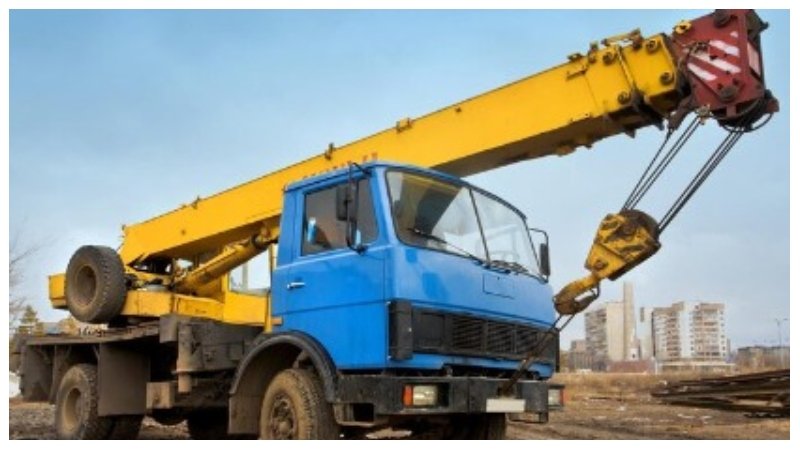
Even commercial properties and construction projects rely heavily on maintenance planning. Heavy equipment such as a vehicle mounted crane is frequently used to safely handle repairs, renovations, and structural improvements in larger residential developments.
Seasonal Maintenance Matters More Than Ever
Different seasons create different challenges for homeowners. Weather changes can gradually damage roofing, plumbing, foundations, and exterior materials if maintenance is ignored.
Spring Maintenance
Spring is ideal for inspecting roofs, cleaning gutters, checking drainage systems, and servicing air conditioning units.
Summer Maintenance
Summer allows homeowners to repair exterior paint, inspect decks, maintain landscaping, and improve ventilation systems.
Autumn Maintenance
Fall preparation includes cleaning leaves from gutters, sealing cracks, and preparing heating systems for colder temperatures.
Winter Maintenance
Winter maintenance focuses on preventing frozen pipes, checking insulation, and monitoring roof snow accumulation where applicable.
Following a seasonal maintenance checklist reduces the likelihood of unexpected emergencies.
Technology Is Transforming Home Maintenance
Modern technology is making home maintenance easier and more efficient. Smart home systems can now monitor water leaks, air quality, temperature changes, and energy consumption in real time.
Homeowners can receive alerts before problems become severe. Smart thermostats, automated lighting systems, and connected security devices improve convenience while helping maintain property performance.
Digital maintenance tracking apps are also becoming popular. These tools allow homeowners to schedule inspections, track repairs, and manage service histories efficiently.
Technology supports proactive maintenance rather than reactive repairs, saving both time and money.
Maintenance Reduces Stress and Improves Quality of Life
Living in a poorly maintained home can create ongoing anxiety. Unexpected breakdowns, emergency repair costs, and unsafe conditions place unnecessary stress on families.
A properly maintained home provides peace of mind. Homeowners feel more secure knowing their property is safe, efficient, and reliable.
Clean and organized living spaces also improve mental clarity and emotional comfort. Research consistently shows that stable, functional home environments contribute positively to overall happiness and productivity.
When families no longer worry about constant repairs, they can focus on enjoying their homes and spending quality time together.
Community Benefits of Well-Maintained Homes
Home maintenance benefits entire communities, not just individual homeowners. Neighborhoods with properly maintained properties tend to experience:
- Higher overall property values
- Improved public safety
- Stronger community pride
- Better environmental conditions
- Increased investment opportunities
Neglected homes can negatively impact surrounding properties and reduce neighborhood appeal. Consistent upkeep helps create cleaner, safer, and more attractive communities for everyone.
The Importance of Professional Support
While some maintenance tasks can be handled independently, many repairs require professional expertise. Electrical systems, structural repairs, roofing work, and plumbing issues should be addressed by qualified professionals.
Experienced contractors can identify hidden problems early and recommend effective long-term solutions. Hiring professionals for inspections and preventive maintenance often saves significant money in the future.
Reliable maintenance partnerships also help homeowners stay ahead of repairs instead of constantly reacting to emergencies.
Creating a Long-Term Maintenance Plan
One of the best strategies homeowners can adopt is creating a yearly maintenance plan. This approach ensures no critical tasks are forgotten and helps spread costs throughout the year.
A strong maintenance plan should include:
- Seasonal inspection schedules
- Appliance servicing timelines
- Roof and plumbing evaluations
- Exterior cleaning and repairs
- Budget allocation for future upgrades
Planning ahead prevents financial surprises and extends the life of the property.
Final Thoughts
Building better homes goes far beyond stylish interiors and expensive renovations. True comfort, safety, and long-term value come from consistent maintenance and responsible care. In an era of rising costs, changing weather patterns, and growing demands on living spaces, maintenance matters more than ever.
A well-maintained home supports healthier living, reduces stress, improves efficiency, and protects financial investments. Whether it is a small apartment, a family home, or a large residential property, regular upkeep creates stronger foundations for better lives.
Homeowners who prioritize maintenance today are investing not only in their properties but also in their future well-being, stability, and peace of mind.