
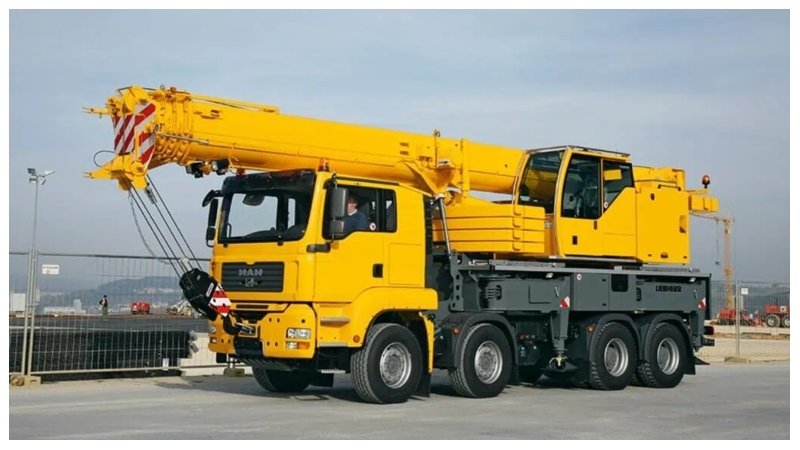
In today’s fast-moving industrial world, businesses are under constant pressure to complete projects faster, reduce workplace risks, and improve operational efficiency. From construction sites and logistics hubs to utility maintenance and heavy equipment transport, companies are searching for smarter ways to handle lifting and material movement. One solution transforming modern industries is the vehicle mounted crane. Combining mobility, power, and precision, this equipment is helping organizations complete demanding tasks with greater safety and productivity than ever before.
Understanding Vehicle Mounted Cranes
A vehicle mounted crane is a lifting system installed directly onto a truck or commercial vehicle chassis. Unlike stationary cranes that require separate transportation and setup, mounted cranes travel directly to the job site and begin work almost immediately. This combination of transportation and lifting functionality makes them highly versatile across industries.
These cranes are designed to lift, move, and position heavy materials efficiently while minimizing manual labor. They are commonly used in:
- Construction projects
- Infrastructure development
- Utility maintenance
- Shipping and logistics
- Oil and gas operations
- Manufacturing facilities
- Emergency recovery services
Because they eliminate the need for multiple machines, mounted cranes streamline operations and save valuable time.
Improving Workplace Safety
Safety is one of the biggest concerns in industries involving heavy lifting. Traditional lifting methods often expose workers to risks such as falling loads, equipment instability, and manual handling injuries. Vehicle mounted cranes significantly reduce these hazards by introducing advanced safety features and controlled lifting systems.
Reduced Manual Handling
One of the leading causes of workplace injuries is improper manual lifting. Mounted cranes minimize the need for workers to physically move heavy materials. Operators can safely lift and position loads using hydraulic controls, reducing strain-related injuries and fatigue.
Better Stability and Load Control
Modern mounted cranes include advanced stabilization systems, outriggers, and load sensors. These features help distribute weight evenly and maintain balance during lifting operations. Enhanced stability lowers the chances of tipping accidents and ensures safer handling of oversized materials.
Improved Visibility for Operators
Many cranes now feature operator-assist technology, remote-control systems, and improved cab visibility. Operators can monitor lifting activities more accurately, reducing blind spots and improving communication between ground crews and machine operators.
Lower Risk in Hazardous Areas
Mounted cranes are especially useful in environments where human exposure should be minimized. In utility repairs, disaster recovery, or industrial maintenance, operators can perform tasks from safer distances without placing workers directly in danger zones.
Increasing Operational Efficiency
Efficiency is essential for companies trying to stay competitive in demanding industries. Vehicle mounted cranes provide several advantages that accelerate workflows and improve overall productivity.
Faster Setup and Mobility
Unlike traditional cranes that require transportation trailers and extensive assembly, mounted cranes arrive ready for operation. This quick deployment reduces downtime and allows crews to begin work faster.
Mobility is another major benefit. Operators can easily travel between multiple job sites in a single day, making these cranes ideal for companies managing various projects simultaneously.
Multi-Function Capabilities
Mounted cranes combine transportation and lifting into one machine. Businesses no longer need separate hauling vehicles and cranes for certain tasks. This consolidation simplifies operations and reduces equipment costs.
Some models also support attachments and customization options, enabling them to perform specialized tasks such as:
- Material delivery
- Equipment installation
- Tree removal
- Utility pole handling
- Container movement
This flexibility allows companies to maximize equipment usage across different projects.
Reduced Labor Costs
Because mounted cranes automate much of the lifting process, fewer workers are needed for heavy material handling. Companies can allocate labor more efficiently while reducing overtime and physical strain on crews.
Additionally, quicker project completion means lower operational costs and increased profitability over time.
Fuel and Transportation Savings
Traditional crane systems often require multiple vehicles for transport and support. Vehicle mounted cranes combine these functions into a single unit, reducing fuel consumption and transportation expenses.
For businesses operating in remote locations or urban areas with tight schedules, these savings can become substantial over time.
Applications Across Industries
The growing popularity of mounted cranes comes from their adaptability across multiple industries. Their ability to move quickly and operate efficiently makes them valuable in both urban and remote environments.
Construction Industry
Construction companies rely heavily on mounted cranes for transporting and lifting building materials such as steel beams, concrete blocks, and roofing equipment. Their mobility helps contractors work efficiently across multiple locations without needing extensive setup time.
Utility and Infrastructure Maintenance
Electricity providers, telecommunications companies, and municipal services use mounted cranes for pole installation, maintenance, and repairs. Their ability to access difficult areas quickly is essential during emergency restoration work.
Logistics and Transportation
Logistics providers benefit from faster loading and unloading processes. Mounted cranes simplify cargo handling, especially for oversized or irregularly shaped materials.
Oil and Gas Operations
In rugged environments where heavy equipment must be transported over long distances, mounted cranes offer mobility and reliability. They support drilling operations, equipment maintenance, and infrastructure installation.
Emergency Recovery Services
Recovery and rescue operations often require rapid deployment of lifting equipment. Mounted cranes help remove debris, recover damaged vehicles, and support disaster-response activities efficiently.
Technological Advancements Driving Performance
The latest generation of vehicle mounted cranes includes innovative technologies that further improve safety and efficiency.
Smart Load Monitoring
Modern systems can measure load weight in real time and alert operators if lifting limits are exceeded. This reduces the risk of overload accidents and equipment damage.
Remote Operation Systems
Wireless remote controls allow operators to manage lifting activities from safer and more strategic positions. This improves precision and reduces communication errors on busy job sites.
Telematics and Fleet Management
Fleet managers can now monitor crane performance, maintenance schedules, fuel usage, and operational efficiency through digital telematics systems. This data helps companies improve asset management and reduce unexpected downtime.
Eco-Friendly Hydraulic Systems
New hydraulic technologies are being designed to reduce fuel consumption and emissions while maintaining powerful lifting capabilities. Sustainable equipment is becoming increasingly important as industries work toward environmental goals.
The Economic Benefits for Businesses
Investing in mounted crane technology provides long-term financial advantages beyond immediate productivity improvements.
Higher Return on Investment
Because these cranes combine transportation and lifting functions, companies gain more value from a single machine. Reduced labor, transportation, and setup costs contribute to a stronger return on investment.
Improved Project Timelines
Faster project completion helps businesses take on more contracts and improve customer satisfaction. Delays are minimized, and operational efficiency increases significantly.
Lower Maintenance Complexity
Using fewer separate machines means fewer maintenance schedules, fewer operators, and simplified fleet management. This can reduce administrative and service costs over time.
Choosing the Right Mounted Crane
Selecting the ideal crane depends on operational needs, lifting capacity requirements, and worksite conditions. Businesses should evaluate:
- Maximum lifting capacity
- Boom length and reach
- Vehicle compatibility
- Hydraulic performance
- Safety features
- Maintenance support
- Terrain adaptability
Working with experienced equipment suppliers ensures businesses choose cranes that align with their operational goals and compliance standards.
The Future of Vehicle-Mounted Cranes
As industries continue adopting automation and smart technologies, mounted cranes are expected to become even more advanced. Future developments may include:
- AI-assisted lifting controls
- Autonomous stabilization systems
- Electric-powered crane vehicles
- Enhanced remote diagnostics
- Advanced collision prevention technologies
These innovations will further improve safety, reduce operational risks, and support sustainable industrial practices.
Conclusion
Vehicle-mounted cranes are changing the way industries approach lifting, transportation, and heavy material handling. Their ability to improve safety, reduce manual labor, and increase operational efficiency makes them an essential asset across construction, logistics, utilities, and industrial operations.
As businesses continue searching for smarter and more cost-effective equipment solutions, mounted cranes offer a practical combination of mobility, performance, and reliability. Companies that invest in this technology position themselves for faster project completion, safer workplaces, and stronger long-term productivity in an increasingly competitive market.