
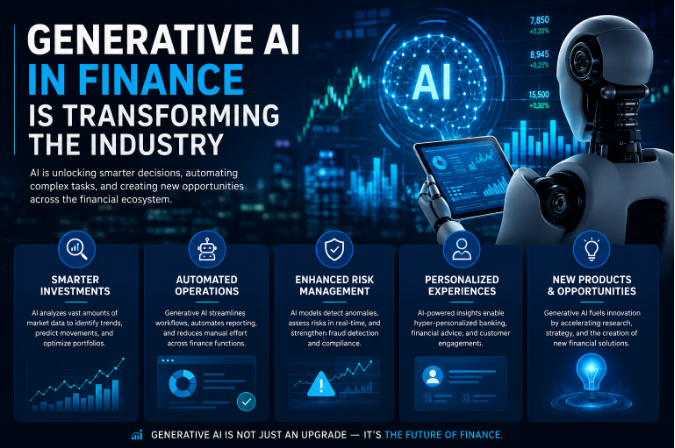
Generative AI in finance is reshaping the landscape of financial services by enabling institutions to offer more personalized and efficient solutions to their clients. By leveraging advanced machine learning algorithms, these AI systems can generate predictions and insights that were previously unattainable. This capability allows financial institutions to anticipate market trends, assess risks more accurately, and optimize their operations, ultimately leading to improved customer satisfaction and increased profitability.
One of the most significant impacts of generative AI in finance is its ability to automate complex processes, such as risk assessment and fraud detection. By analyzing vast amounts of data in real-time, generative AI systems can identify patterns and anomalies that human analysts might overlook. This not only enhances the accuracy of financial models but also frees up human resources to focus on more strategic tasks, thus boosting overall productivity https://dedicatted.com/services/generative-ai/financial-services.
Furthermore, generative AI is playing a transformative role in customer service within the financial sector. With the advent of AI-powered chatbots and virtual assistants, customers can now receive instant support and personalized advice around the clock. These AI tools can handle a wide range of inquiries, from account management to investment advice, thereby enhancing the customer experience and fostering loyalty.
Best Practices for Integrating Generative AI in Financial Institutions
Integrating generative AI in financial institutions requires a strategic approach to ensure its successful implementation and adoption. One of the first steps in this process is to identify specific business areas where AI can add the most value. This involves conducting a thorough analysis of existing processes and identifying pain points that AI can address, such as inefficiencies, high error rates, or customer service bottlenecks.
Once potential use cases have been identified, it is crucial to invest in the right AI technologies and infrastructure. Financial institutions should prioritize solutions that offer scalability, flexibility, and compatibility with existing systems. Collaborating with experienced technology partners can also provide the necessary expertise to navigate the complexities of AI integration, from data management to compliance with industry regulations.
Training and upskilling employees is another critical component of successful AI integration. Financial institutions must ensure that their workforce is equipped with the necessary skills to work alongside AI systems. This could involve providing training programs on AI technologies, data analysis, and change management. Encouraging a culture of innovation and continuous learning will help employees embrace AI as a valuable tool rather than a threat to their roles.